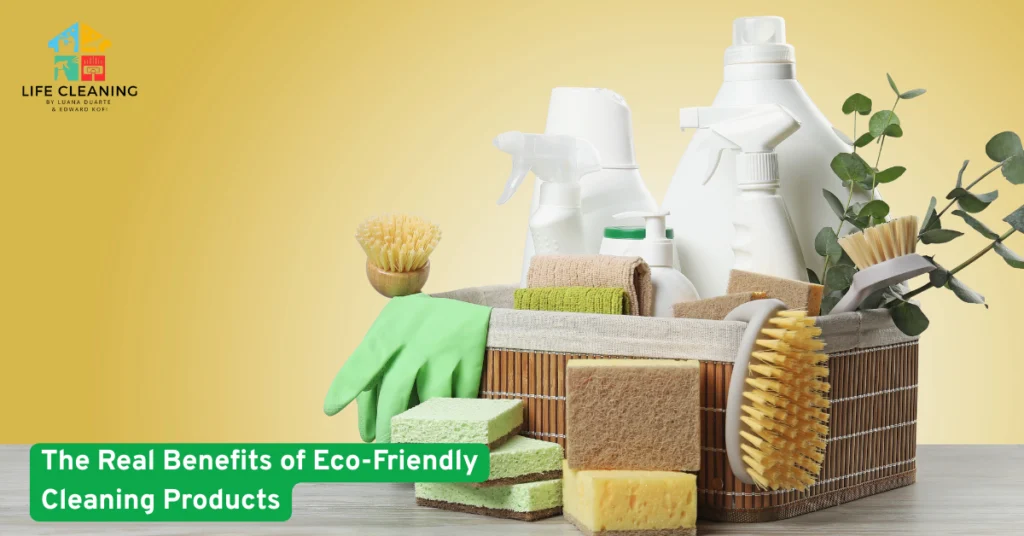
The phrase eco-friendly cleaning products often conjures up an image of green labels and natural scents—but behind those labels lies a quiet revolution in how we clean our homes and protect our health. For decades, conventional cleaning supplies relied on harsh chemicals that were efficient at killing germs but equally harmful to indoor air, skin, and the environment. Today, households and businesses alike are discovering that sustainability and cleanliness can go hand in hand.
This guide explores the real benefits of eco-friendly cleaning products—from health and environmental advantages to long-term savings and lifestyle improvements.
What Are Eco-Friendly Cleaning Products?
Eco-friendly cleaning products are formulations made with biodegradable, plant-based, or mineral ingredients instead of synthetic chemicals. They minimize harm to people, pets, and ecosystems while maintaining cleaning efficiency.
Unlike traditional cleaners that contain ammonia, chlorine, or phosphates, green alternatives use safer elements such as:
- Citrus extracts for degreasing
- Vinegar and baking soda for natural disinfecting
- Essential oils for fragrance and antibacterial properties
- Surfactants from coconut or corn for gentle foaming action
You can identify truly green products by looking for trusted certifications such as EPA Safer Choice, Green Seal, or EcoLogo.
Environmental Benefits
Reduced Water Pollution
Traditional cleaning solutions often contain phosphates and synthetic surfactants that wash into waterways, leading to algae overgrowth and aquatic toxicity. Eco-friendly cleaners use biodegradable compounds that safely break down without contaminating rivers or groundwater.
Lower Carbon Footprint
Many sustainable cleaning brands manufacture locally and use energy-efficient production methods. Concentrated formulas reduce shipping weight and packaging waste, minimizing carbon emissions across the supply chain.
Sustainable Packaging
Eco brands often prioritize refillable bottles, compostable pouches, or recyclable containers, cutting down plastic waste significantly. This small shift contributes to a massive reduction in single-use plastics over time.
Health Benefits for Homes and Families
Improved Indoor Air Quality
Ammonia and bleach release volatile organic compounds (VOCs) that irritate the lungs and trigger headaches or asthma. Plant-based cleaners keep the air fresher by eliminating these toxins.
Safe for Kids, Pets, and Seniors
Eco cleaners are non-toxic and gentle, reducing the risk of accidental poisoning or allergic reactions. This makes them ideal for nurseries, play areas, and pet zones.
Reduced Allergies and Skin Irritation
Without sulfates, dyes, or synthetic fragrances, natural cleaners are hypoallergenic. People with sensitive skin or respiratory conditions experience fewer irritations.
Better for Surfaces and Indoor Spaces
Eco-friendly formulas are not just safe—they’re also gentler on surfaces. Harsh chemicals can erode finishes on wood, tile, or metal over time. In contrast, natural ingredients clean effectively without stripping protective coatings.
- Wooden furniture retains its polish longer.
- Stainless steel stays streak-free and shiny.
- Fabrics and carpets avoid chemical wear and fading.
This means your home stays beautiful and durable for years to come.
Long-Term Economic Benefits
Switching to green products isn’t just good for the planet—it’s smart for your wallet.
- Concentrated formulas last longer than diluted commercial cleaners.
- Refill programs and bulk packaging reduce per-use cost.
- Multi-purpose cleaners replace multiple specialized products, saving storage and money.
Over time, sustainable cleaning routines cost less than constantly buying disposable plastic bottles of toxic formulas
Myths About Eco-Friendly Cleaning Products
“They’re not strong enough.”
Modern eco-formulas use plant enzymes and bio-based surfactants that rival the power of conventional chemicals. In many cases, they clean more efficiently because they break down organic residues without leaving sticky film behind.
“They’re too expensive.”
While initial prices might appear higher, their concentrated use and durability mean fewer purchases overall. Refill systems and DIY options make them affordable for any budget.
“They’re hard to find.”
Eco-friendly cleaners are now widely available online, in supermarkets, and from local refill shops. Brands like Seventh Generation, Method, and Ecover have made green cleaning mainstream.
How to Transition to Eco-Friendly Cleaning
Making the switch is simpler than it seems.
Step 1: Start with Essentials
Replace your most-used items—multi-surface spray, dish soap, and glass cleaner—with eco versions.
Step 2: Learn to Read Labels
Look for terms like “biodegradable,” “phosphate-free,” and “plant-based ingredients.” Avoid vague marketing claims such as “natural scent” or “green formula.”
Step 3: Try DIY Alternatives
Common household staples like vinegar, lemon juice, and baking soda can be powerful, inexpensive cleaners when combined properly.
Step 4: Reuse and Refill
Invest in durable glass spray bottles and refill stations to eliminate plastic waste entirely.
Businesses and Sustainability
Eco-friendly cleaning isn’t limited to homes. Many companies, schools, and hotels are adopting sustainable cleaning programs for employee health and brand reputation.
- Cleaner indoor air leads to fewer sick days and higher productivity.
- Businesses reduce liability by avoiding toxic exposure.
- Customers associate green cleaning with corporate responsibility and trustworthiness.
Sustainable cleaning has become a competitive advantage across industries—from healthcare facilities to retail showrooms.
Conclusion
Switching to eco-friendly cleaning products is not a passing trend; it’s a lifestyle improvement that benefits your home, your health, and the planet. By choosing biodegradable ingredients and reusable packaging, you help reduce pollution, protect your loved ones, and promote a cleaner, safer environment.
Every bottle you replace makes a difference. Start small, stay consistent, and join the movement toward a greener, healthier future.
Frequently Asked Questions
Q1: What are the main advantages of eco-friendly cleaning products?
They reduce chemical exposure, improve indoor air quality, protect surfaces, and minimize environmental pollution—all while maintaining powerful cleaning results.
Q2: Are eco-friendly cleaning products as effective as chemical ones?
Yes. Modern formulations use plant enzymes and natural surfactants that dissolve grease and kill germs effectively without harsh residues.
Q3: How do eco-friendly cleaners help the environment?
They’re biodegradable, made with renewable ingredients, and often packaged sustainably, reducing landfill waste and water contamination.
Q4: Can green products disinfect surfaces?
Some eco cleaners contain natural antibacterial ingredients like vinegar, alcohol, or essential oils that effectively disinfect. For heavy sanitation, look for EPA-approved green disinfectants.
Q5: Are natural cleaners safe for pets and children?
Absolutely. Eco cleaners are free from chlorine, ammonia, and synthetic fragrances, making them safe for sensitive family members and animals.